We took a Grab to terminal 2, an insanely busy airport where every seat available was occupied, and getting up for 30 seconds would result in losing your seat, especially one anywhere close to an outlet. 2 hours of torture went by and we boarded our plane and headed to the smallest airport I have been to so far, Dumaguete, in Negros Oriental. A “lapida” is the Filipino term for a gravestone, and just as the ones you would find in the United States, are heavy blocks of granite. Due to the weight of the lapida, it only made logical sense to have it made in Dumaguete, as opposed to Manila which would have been easier to make, but harder to transport. With the help of Greg and some others, we were able to track down a lapida maker, and have the headstone for Jim made, so we wouldn’t have to fly with it. Greg helped with the payment and saved our butts once again. We had some time to kill and I wanted to show Mark a little bit of Dumaguete, and the differences it had to Manila. We walked from the airport, once again ignoring the people excited to see white men with backpacks, to the town center. I saw an ad for halo-halo outside a Chow King, and covered in sweat as we often were in the Philippines, went inside for a nice cold sugar rush. We got our halo-halo which seemed like ideal drunken 3am food, filled with colors and textures, and was back on our way to wandering. We walked around the bay-bay, or bay walk area, and saw them setting up for a big event that evening. Typically many people gather in the evening and eat balut, fertilized duck eggs out there. Mark was not upset that they weren’t available at that time, and a massive squall came in with a fury over the ocean. Mark pointed out that all the palm trees were pointed towards the city from the water so we quickly ran to seek shelter. Maybe 10 minutes went by and the sun was back to full blast. We then walked back to the lapida maker who was between the airport and downtown, and wandered inside and found our father’s gravestone sitting on the table ready for pickup. The man, who spoke no English, wrapped it up and I strapped all 30ish kilos to my backpack. The maker flagged down a motorized tricycle and sent us in the direction of the bus depot.
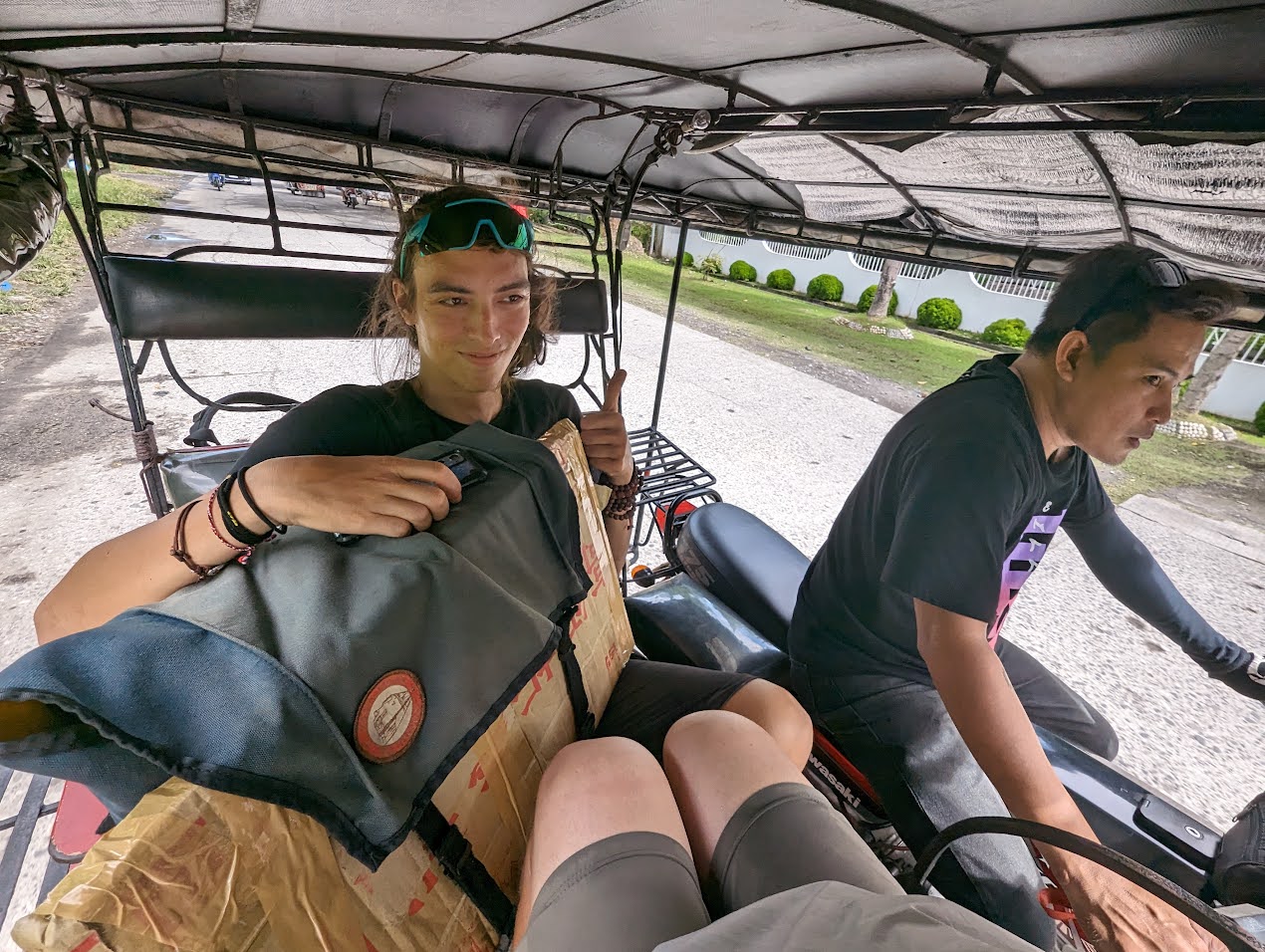
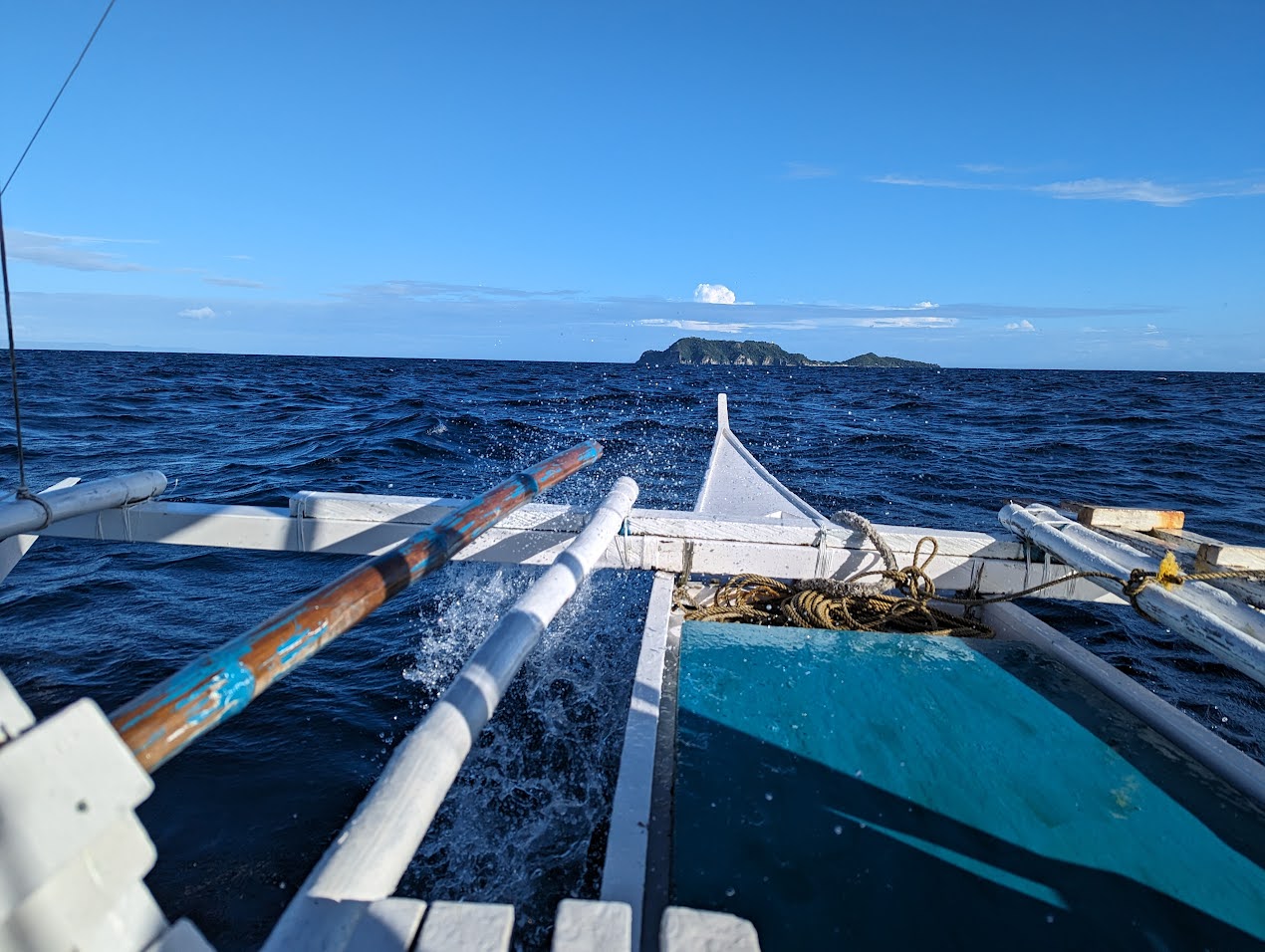
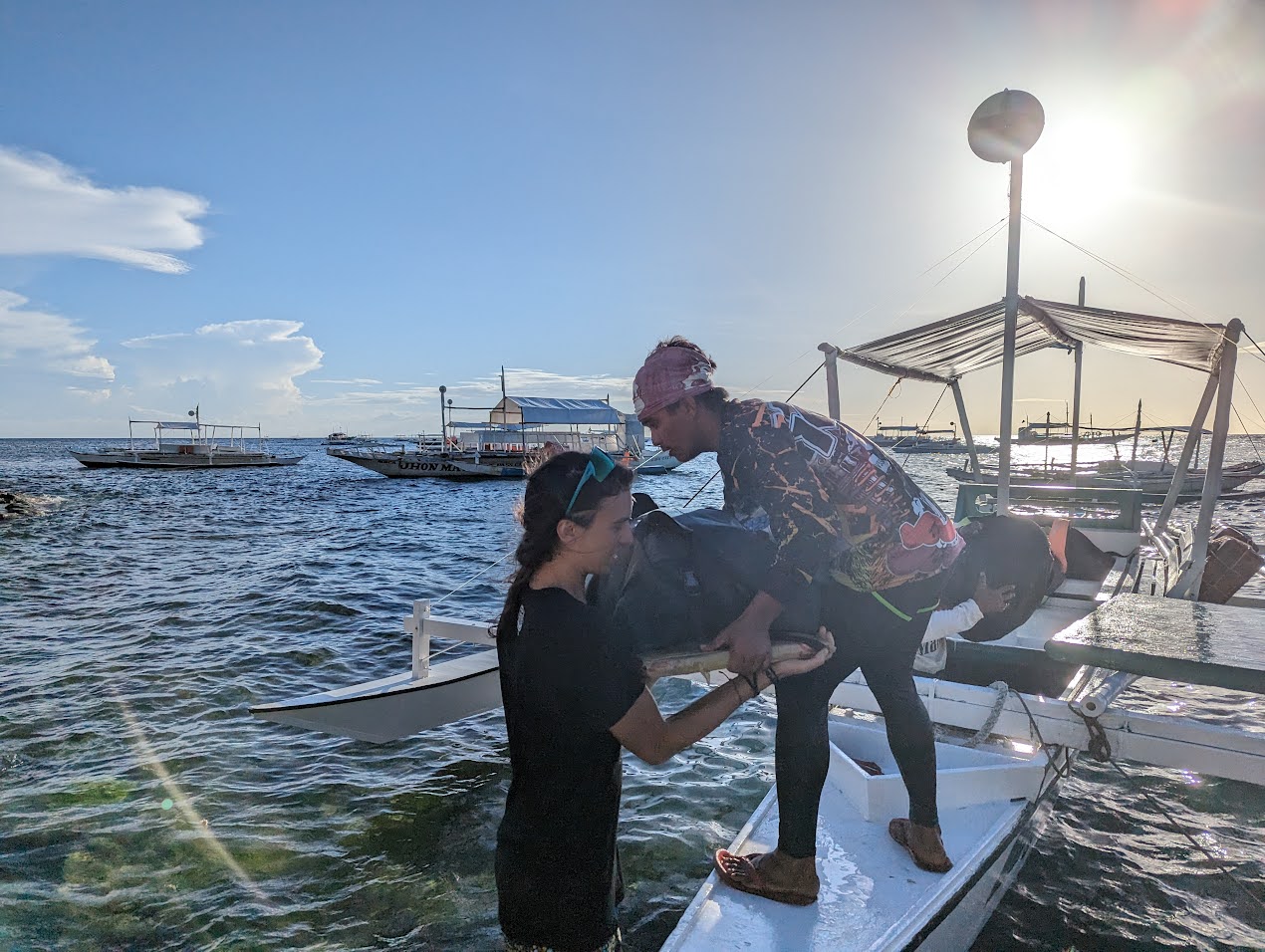
We hopped out of the tricycle and tried to figure out which bus we were supposed to get on, there were a dozen of them in a row and eventually someone pointed us in the right direction. We boarded, and by that I mean squeezed in, so much so that Mark actually was actually standing in the stairs to enter the bus and had to suck it in to get the door to shut. Somehow a man was able to move enough to ask everyone where they were going and was hole punching tickets for their destination and collecting cash. Standing on the bus normally would have been a slightly difficult task, with almost nothing to hold onto as we swayed with every bump, but the lapida on my back made it extra tricky. Mark could see the struggle and how real it was and offered to lend a shoulder for support, since he was still standing in the stairs. We would take turns holding most of the weight between stops, until eventually a seat opened up and I plopped down. We made it to Malatapay and I waddled off the bus with Mark and took the palm tree path down to where the boats come. I went next door and had some hot and spicy sinigang soup on a hot and sweaty day. When I saw a boat loading up with people, I burned my mouth trying to inhale the soup only to find out that was not our boat, and we would be taking the next one. We changed into our swimsuits as you need to wade out into the water to get on the boat, which came in handy as we ended up being soaked by the time our 30 minute boat ride was over. The waves were choppier than usual, but our excitement grew as the island visually appeared larger and larger as we approached it, soon we would be at our father’s favorite island.
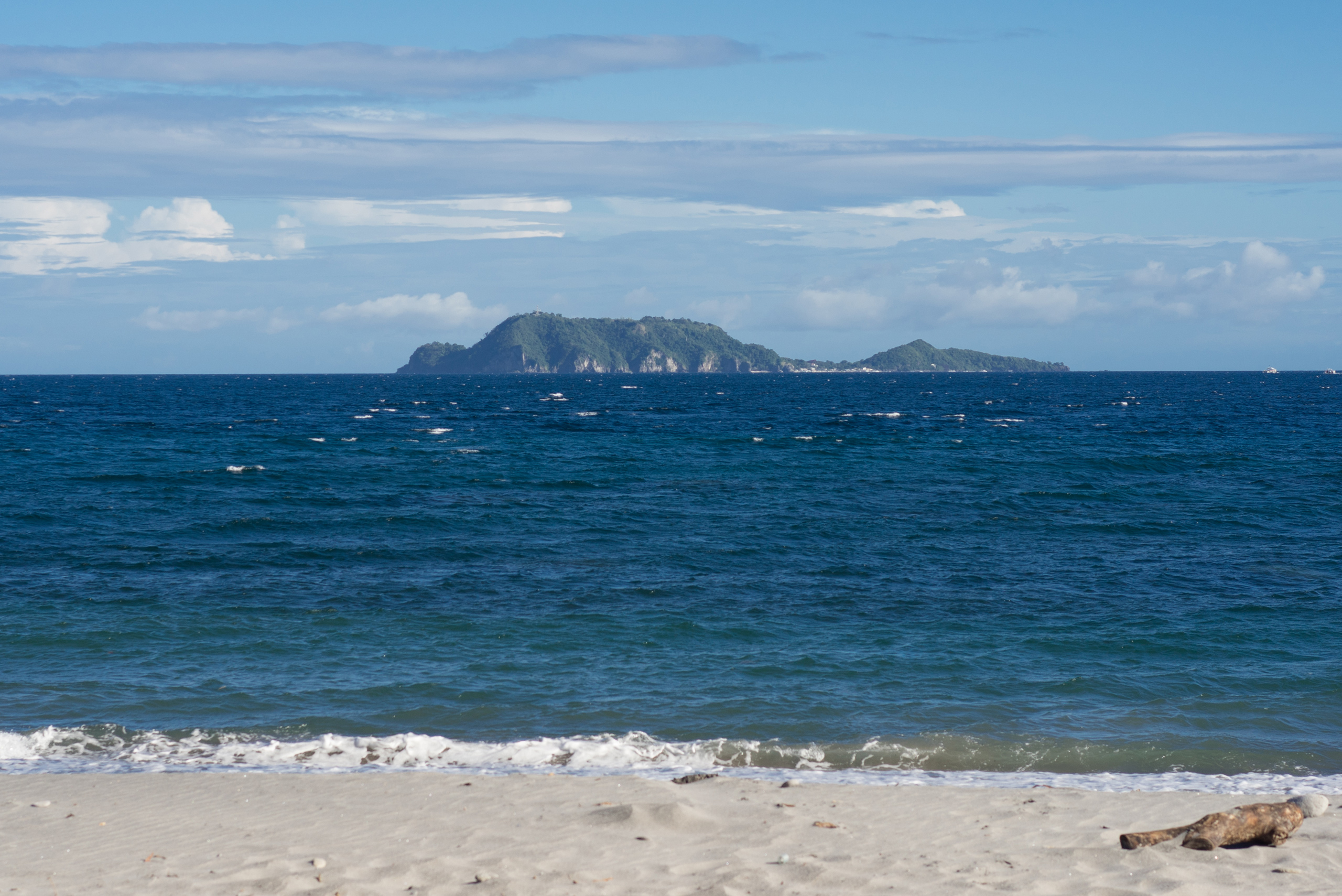
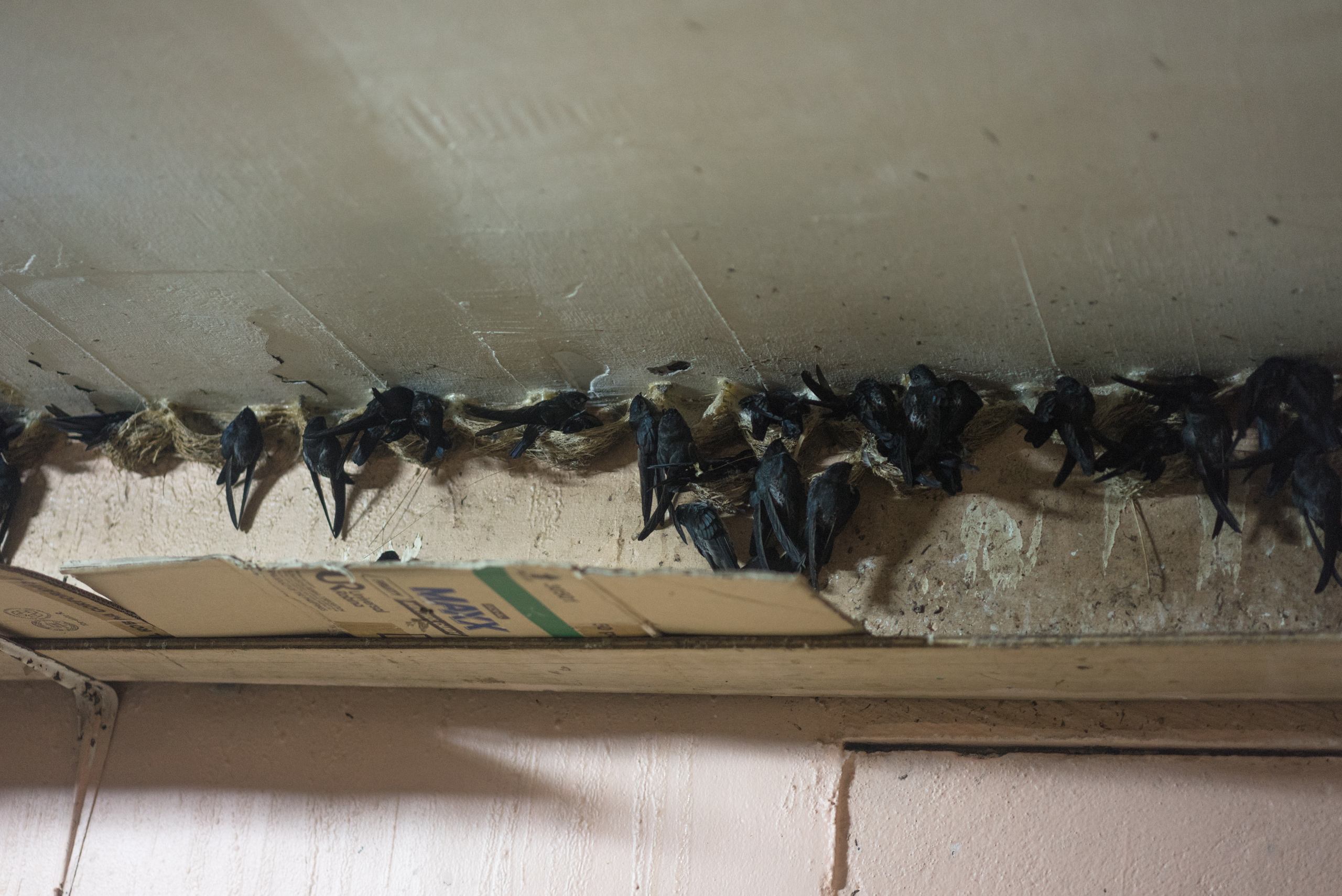
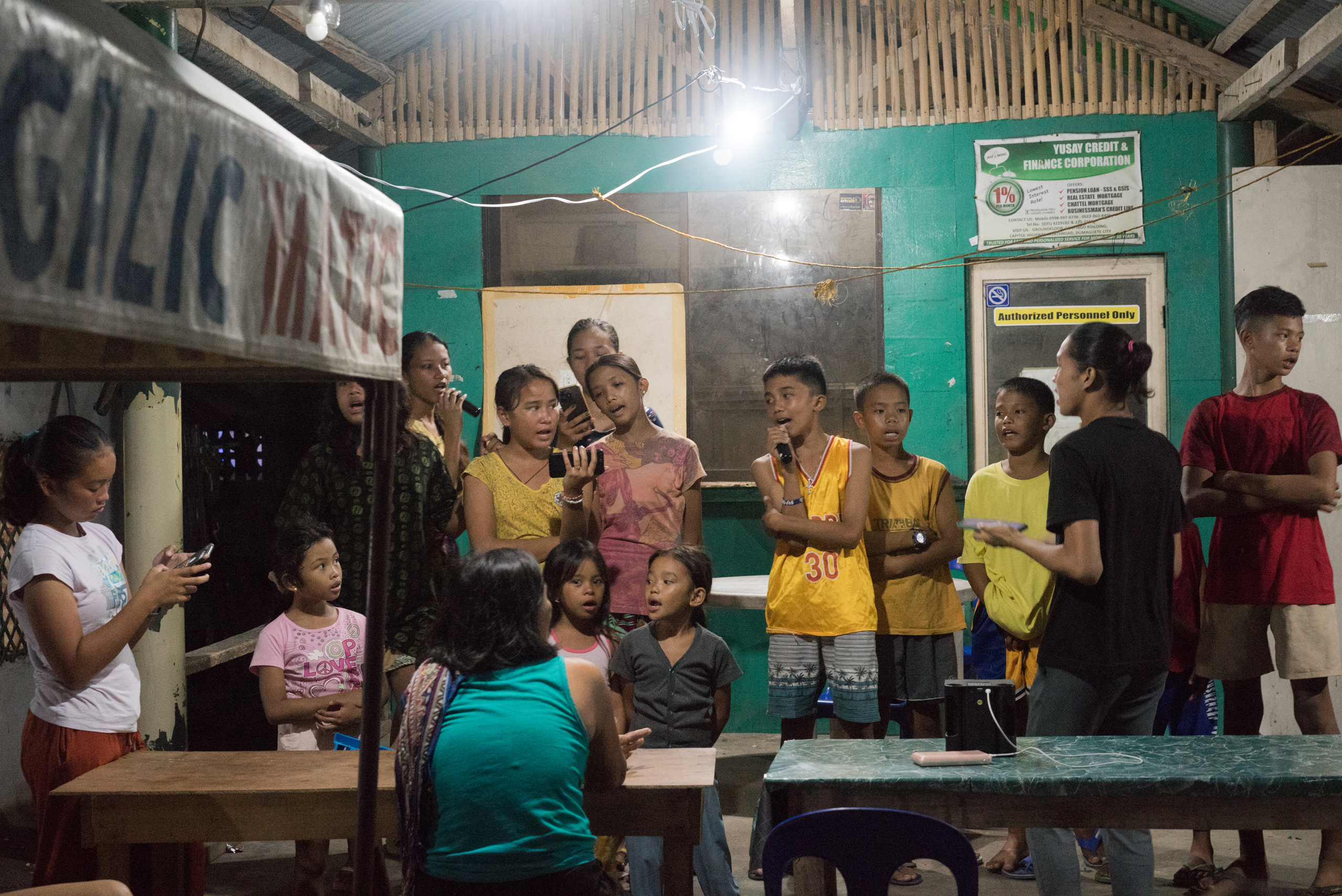
We got off the boat and took the heavy lapida ashore, onto the beach made entirely of crushed corals. We waddled around looking for Mary’s homestay and found it, checked in, and I was happy to dump the bag and the additional 30 kilos of granite in the room. There were more swiftlets and nests inside Mary’s than last time, and a small wooden shelf was installed underneath to catch anything that might fall on a person staying in the house. I never asked about the birds, but I am aware that the nests sell for a lot of money for Chinese medicine. We wandered around looking for Nicknick, and I realized their sari sari had been painted a different color. The first person to lock eyes with me was Riemel, one of Nicknick’s nephews, and he invited me into his house and we caught up. He informed me that NickX2 was in the mountain province where his father-in-law lived, accompanied by his wife and children. I recalled asking Riemel if he was familiar with a man who I had heard a lot of, Dieter, who was supposed to be coming to the island soon. He was unfamiliar and I found it odd, since the island was so small, but didn’t press the subject further. We could hear a loud speaker announcing a basketball game, but I decided to take the trek up to the lighthouse to show Mark where I was thinking of putting the lapida for our father. We marched up the many steep sets of stairs and made our way to the top. The first payag, or traditional bamboo house, you come across at the top of the stairs belonged to the legendary Nicknick. I told Mark about how I got the privilege last time I was there to help build it, and got to sleep the first night on the floor when it was finished, alongside Rudymar, Nicknick’s son, and his friend. The bamboo house had been improved, and even had a little fence going around the perimeter of the property. We walked over and saw some more payags, coordination stones stating the latitude and longitude, cattle, and the two light houses. We looked over the edge of the island and looked back on Negros across the water, thought about some very out-of-the-way locations to install the lapida, and then walked around the rest of Poblacion, the name of the area on top of the mountain. We walked past more payags, some occupied by its residents, and then we got a little lost. Coming back down the mountain my sunglasses fell off the top of my head and tumbled down the steep hill with loose dirt, and for a moment I thought they were gone forever. Grabbing some branches I was able to recover it, and we made it back down the mountain. As we reached sea level again, the basketball game had just finished up, and all the people were walking back to their houses. We were told that there would be the finals the next day, so we could still spectate. We were invited over for dinner at Riemel’s but we also had dinner made for us at Mary’s. Everyone was out to feed us but we ate at Mary’s the first night and tried to be more aware of the love everyone shared. Children down the street practiced singing songs for church the next morning, and I took some photos. I reconnected with Emedel and we shared stories of when Jim was almost dying on the island and they gave him a bunch of Coca Cola until he sprang back to life. We were informed that there would be a 4:30 mass the next morning, so we went up to our rooms and went to bed.
Continue to the next page for additional photos from the day